In the hospitality business, it’s rare for a day to pass where your customers don’t interact with your brand through touch. When a diner opens a menu cover, a hotel guest flips through a room compendium or a new client receives an executive folder, their fingertips are already deciding your brand’s worth.
At Barno, we’ve spent over 70 years manufacturing bespoke hospitality and corporate products in Cape Town. One of the most common questions we get from purchasing managers and designers is: Which material should we use?
The debate between Leather, PU (Polyurethane), and PVC (Polyvinyl Chloride) is not just about price. It’s about matching the material to your environment, your usage rate and your brand identity. Here’s how we suggest you choose the right material for your custom manufacturing needs.
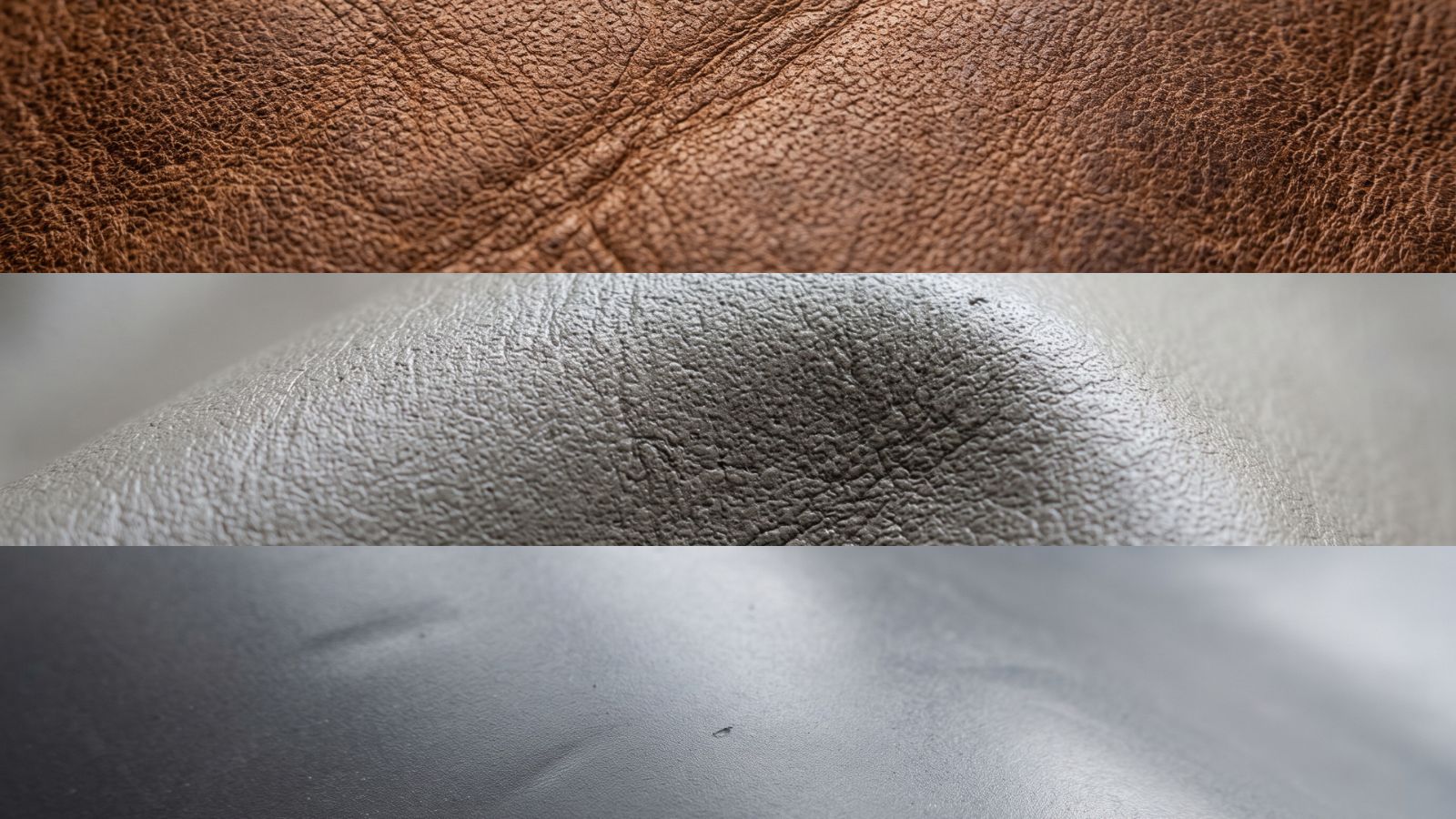
Leather is best for premium hospitality and corporate products where prestige, longevity and a traditional brand identity are priorities. PU (Polyurethane) is ideal for brands seeking a premium aesthetic, colour consistency and easier maintenance. PVC (Polyvinyl Chloride) is best for high-traffic environments where waterproofing, stain resistance, hygiene and cost-effectiveness are essential.
The right material depends on your environment, usage rate, maintenance requirements and brand identity.
Nothing replicates the sensory experience of genuine leather. It has a distinct aroma, a rich texture and an unmatched weight in the hand. Unlike synthetic materials that degrade over time, high-quality leather develops a unique patina, looking better and more distinguished with age and handling.
Unmatched Prestige: Instantly communicates luxury, heritage and uncompromising quality.
Longevity: With proper care and conditioning, leather goods can last decades.
Customisation: Responds beautifully to deep debossing, foil stamping and heavy top-stitching.
Best suited for: Five-star safari lodges, high-end steakhouse menu covers, exclusive corporate executive gifting and boutique hotel guest directories. If your brand story revolves around tradition, legacy or rugged luxury, leather is your best investment.
PU is a synthetic material that has evolved over the years. High-grade PU can mimic the look and feel of genuine leather so closely that it often requires a trained eye to tell the difference. It’s the go-to choice for brands that want a premium aesthetic with highly specific colour matching and easier maintenance.
Thermo-Reactive: Many premium PUs change colour when heat-debossed, creating a stunning, high-contrast branding effect without the need for foil.
Colour Consistency: Available in a vast array of vibrant, modern colours that are difficult to achieve with natural leather.
Ethical Alignment: Provides a high-end alternative for brands prioritising vegan or cruelty-free material sourcing.
Best suited for: Trendy urban restaurants, modern corporate onboarding kits, branded laptop sleeves and mid-to-high-end hospitality venues. PU hits the sweet spot between a luxury feel and scalable pricing.
When durability, hygiene and budget are your primary drivers, PVC is the undisputed champion. It’s a robust plastic polymer that can be welded, stitched and printed on with ease. While it doesn’t offer the soft luxury of PU or leather, it provides unparalleled protection against the elements and heavy usage.
Ultimate Durability: Completely waterproof, stain-resistant and incredibly easy to wipe down with commercial sanitisers.
Cost-Effective: Highly scalable for large bulk orders without breaking the marketing budget.
Printability: Exceptional for full-colour digital printing, allowing for bold, graphic-heavy branding.
Best suited for: High-traffic casual dining menus, outdoor and poolside bar lists, industrial training manuals, bulk promotional ring binders and protective document covers. If your item is spilled on, dropped or handled by hundreds of people a day, PVC will survive the shift.
Choosing the right material comes down to three practical questions:
What’s the environment? A luxury folder sitting on a boardroom table demands a different material than a drinks menu sitting next to a splash pool.
What’s the turnover? If you update your menu inserts weekly but keep the covers for five years, invest in leather or high-grade PU. If you replace the entire unit annually, PVC is more cost-effective.
What is the brand promise? Your materials must echo your message. You cannot serve a premium Wagyu steak inside a flimsy plastic sleeve, just as a vibrant, disruptive tech startup might feel off-key with traditional brown leather.
The best way to decide is to feel the difference yourself. Our bespoke manufacturing team at the Barno factory is ready to guide you through our material archives, test debossing techniques with your logo and engineer a product that perfectly fits your brand’s tactile footprint.
Whether you need premium leather menu covers, custom PU corporate folders or durable PVC hospitality products, Barno can help you choose the right material for your brand, environment and budget.
Contact our Cape Town manufacturing team to discuss your custom requirements.
| Material | Main benefits | Best suited for | Key consideration |
| Genuine Leather | Prestige, longevity, customisation, develops a unique patina | Five-star safari lodges, high-end restaurants, executive gifting, boutique hotels | Best for brands prioritising heritage, tradition and luxury |
| PU (Polyurethane) | Premium aesthetic, colour consistency, easier maintenance, thermo-reactive branding | Urban restaurants, corporate kits, laptop sleeves, mid-to-high-end hospitality | Sweet spot between luxury feel and scalable pricing |
| PVC (Polyvinyl Chloride) | Waterproof, stain-resistant, durable, cost-effective, easy to clean | Casual dining, poolside menus, manuals, promotional binders, document covers | Best for high-traffic environments and heavy usage |
The debate between Leather, PU (Polyurethane), and PVC (Polyvinyl Chloride) is not just about price. It’s about matching the material to your environment, your usage rate and your brand identity.
Nothing replicates the sensory experience of genuine leather. It has a distinct aroma, a rich texture and an unmatched weight in the hand. If your brand story revolves around tradition, legacy or rugged luxury, leather is your best investment.
High-grade PU can mimic the look and feel of genuine leather so closely that it often requires a trained eye to tell the difference. It’s the go-to choice for brands that want a premium aesthetic with highly specific colour matching and easier maintenance.
When durability, hygiene and budget are your primary drivers, PVC is the undisputed champion. If your item is spilled on, dropped or handled by hundreds of people a day, PVC will survive the shift.
PVC is highly scalable for large bulk orders without breaking the marketing budget. PU hits the sweet spot between a luxury feel and scalable pricing.